
Copper & GI
Gas Pipeline Repair & Installation — Copper and GI Lines
Kitchen renovations, a shifted platform or a new hob position all mean the gas line has to move — and a gas line is the one part of a kitchen that should never be improvised. Our team runs copper and GI pipework to proper standards, concealed where you want it hidden, with every joint pressure-tested before the kitchen is handed back.
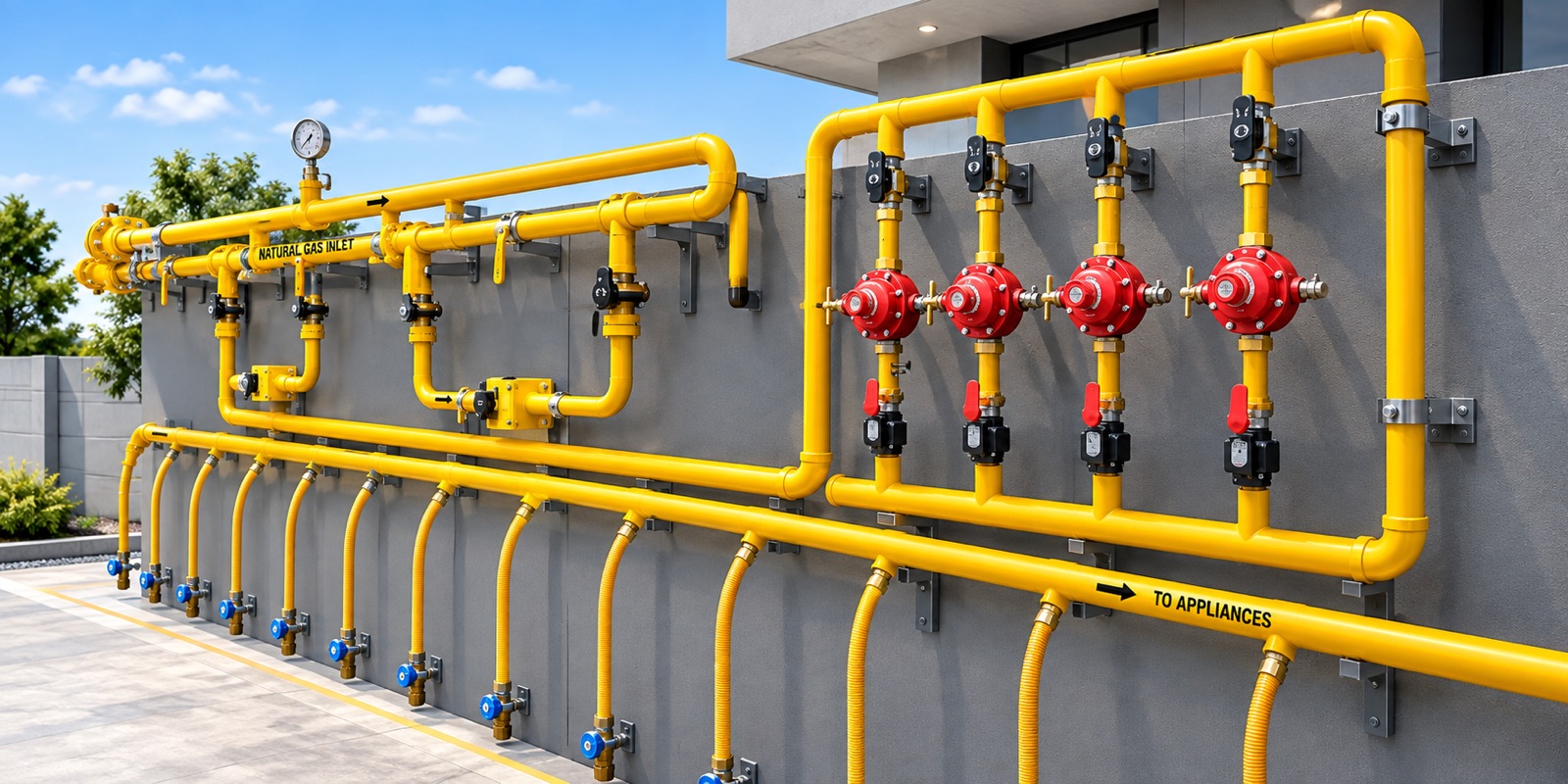 Outdoor line installation
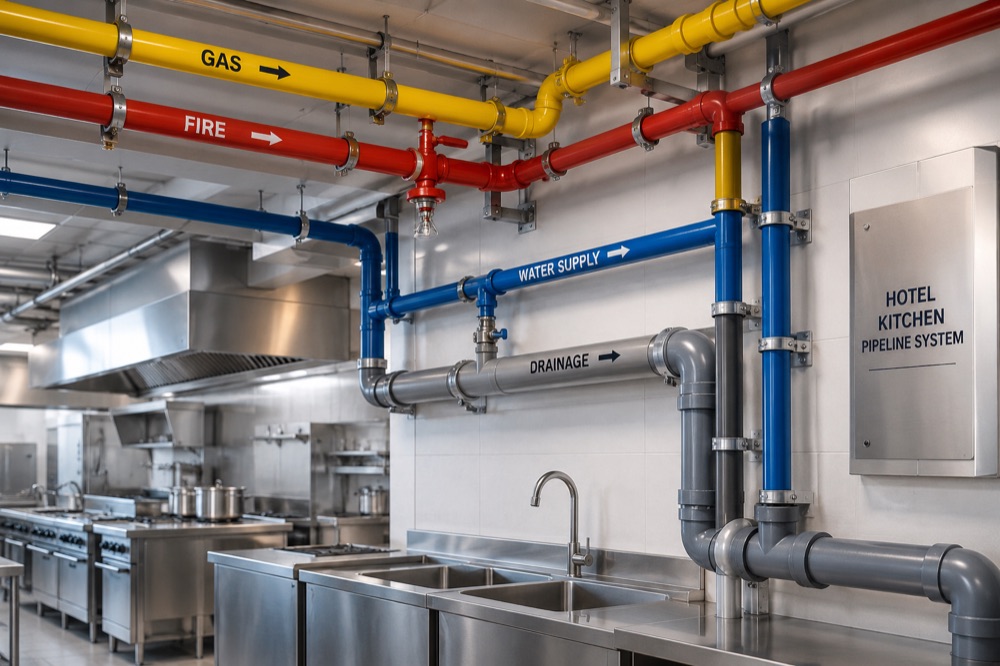 Hotel kitchen pipeline system
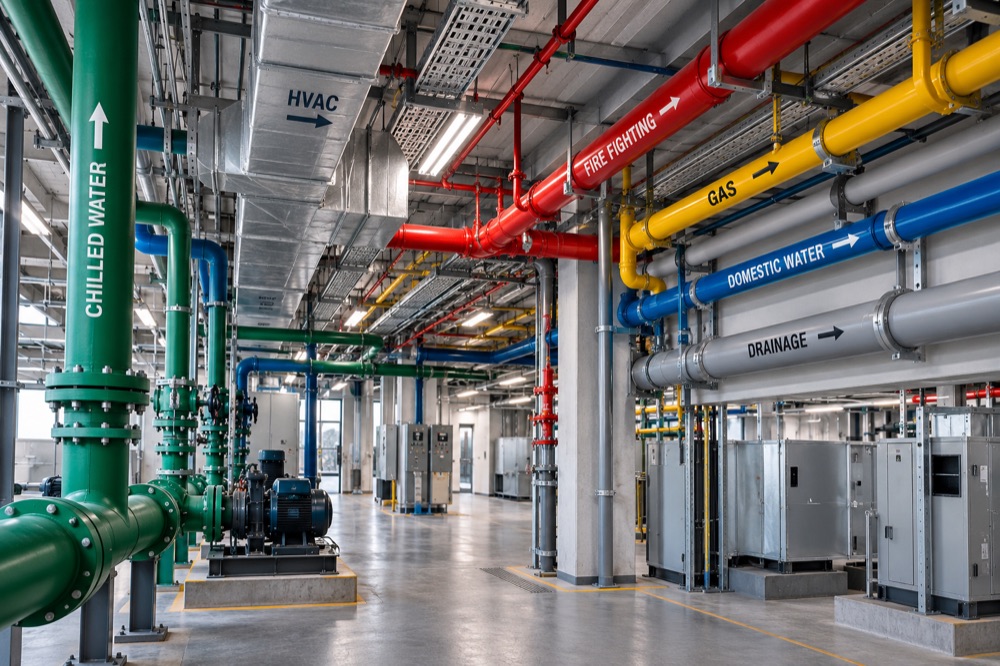 Multi-utility plant-room routing
Call us if you notice
- Moving the stove or hob to a new platform position
- Kitchen renovation requiring the line to be re-routed
- Old rubber hose overdue for a permanent copper line
- Gas smell near a joint, valve or concealed run
- Pipe corrosion, kinks, or a line running across a walkway
- Adding a second appliance to an existing connection
What the visit covers
- Site survey and routing plan before any cutting
- Copper or GI pipe supply and professional fitting
- Concealed runs with proper sleeving and clamping
- Isolation valve fitting at the appliance point
- Full pressure test and soap-solution joint check
- Appliance reconnection and flame verification
Why it is worth fixing rather than replacing
The parts that actually fail on gas appliances — jets, nozzles, ignition electrodes, thermocouples, knob spindles, gaskets, regulators — are inexpensive and individually replaceable. The appliance body, which is the expensive part, almost never fails. That is why replacing a whole stove or hob for an ignition fault is usually the wrong call, and why Gaswala Engineer Team will tell you honestly when something genuinely is beyond economical repair rather than selling you work that will not last.
Every visit includes a safety check
Whatever the booked job, the visit finishes with a soap-solution leak test across the joints, valves and hose, plus a flame check on every burner. Gas work that skips this step is not finished work. If something outside the booked job needs attention, you are told about it and given the cost — not charged for it unannounced.
Frequently Asked Questions
Copper or GI pipe — which should I choose?
Copper is the usual choice for domestic kitchens: it is easier to route neatly, resists corrosion well and handles concealed runs cleanly. GI is heavier-duty and more common on commercial installations. Our team will recommend based on your layout and load rather than defaulting to whichever is cheaper.
Can the pipeline be concealed inside the wall or platform?
Yes, with proper sleeving so the pipe is protected and any future leak vents safely rather than into the wall cavity. Concealed runs are planned before civil work starts wherever possible — retrofitting into finished granite is far more disruptive.
How long does a kitchen gas line installation take?
A straightforward re-route or extension is usually a few hours. A full kitchen installation depends on the run length and whether concealment is involved; you get a clear time and cost estimate after the site survey, before work starts.